 Skip to content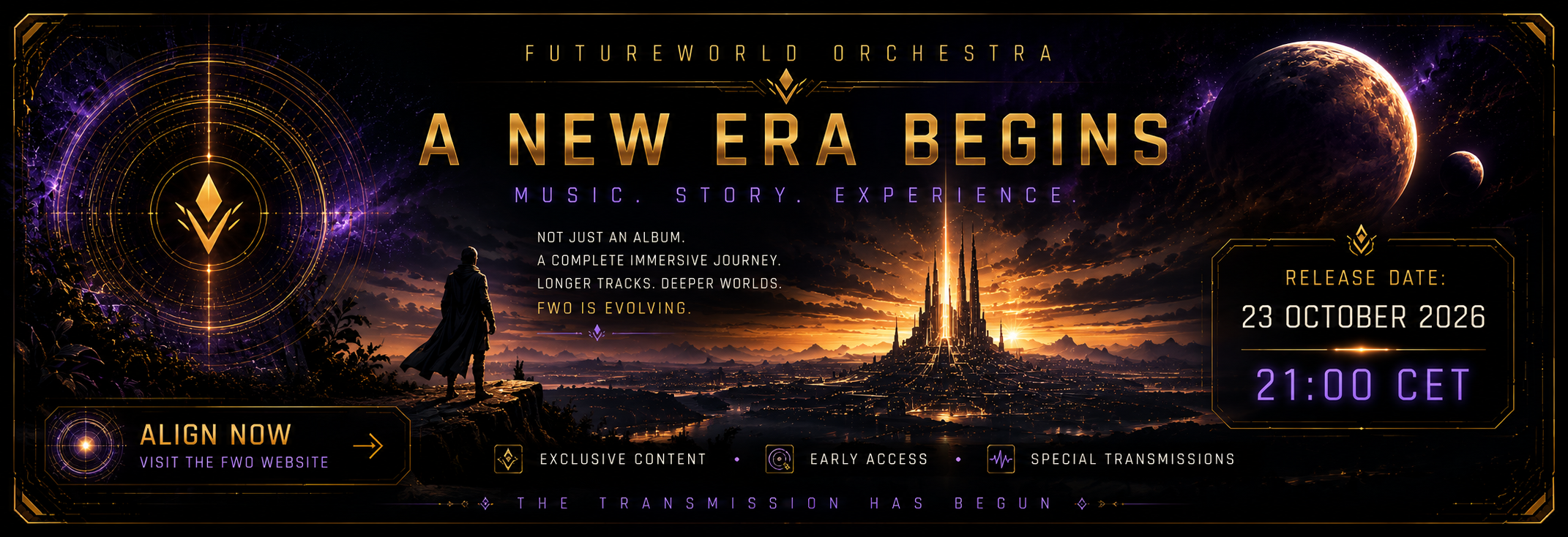
What Makes Art Feel Human?
In a world where machines can generate beauty, the human quality of art becomes more important — and more mysterious — than ever.
Art does not feel human simply because a human made it.
It feels human when something real seems to move beneath the surface.
A memory. A wound. A question. A longing. A sense of wonder that cannot be fully explained.
These are the invisible traces that allow art to reach beyond technique.
Imperfection creates connection
Perfect art can be impressive.
But it is often imperfection that makes art feel alive.
A fragile vocal moment. A strange chord choice. A slightly unexpected rhythm. A visual detail that feels personal rather than polished.
These small irregularities remind us that someone was truly present in the act of creation.
Emotion gives form its purpose
Technique matters.
Craft matters.
But technique alone does not create emotional depth.
A beautiful image can still feel empty. A flawless song can still leave no mark.
What gives form its deeper power is emotional intention.
The sense that the work exists because something needed to be expressed.
Human art contains memory
Every artist carries a private universe.
Childhood impressions. Old fascinations. Personal losses. Strange obsessions. Sounds, images and moments that never disappeared.
These fragments often return through art in unexpected ways.
Not always literally, but emotionally.
They shape atmosphere. They shape choices. They shape the hidden temperature of a work.
Why this matters in the age of AI
Artificial intelligence can generate impressive material.
It can imitate styles, combine references and produce results that appear beautiful at first glance.
But the deeper question remains:
What lived experience is speaking through the work?
What human necessity brought it into existence?
Without that deeper source, art may become visually or sonically impressive — yet emotionally distant.
Futureworld Orchestra and the human signal
For Futureworld Orchestra, the human element is not separate from the worldbuilding, the technology or the cinematic atmosphere.
It is the reason those things exist.
The fascination with space, science fiction, synthesizers, progressive music and imaginary worlds all comes from a real human journey.
Technology may help shape the presentation.
But the source remains emotional.
Stay connected with Futureworld Orchestra and receive future transmissions, previews and special updates.
Align with FWO