 Skip to content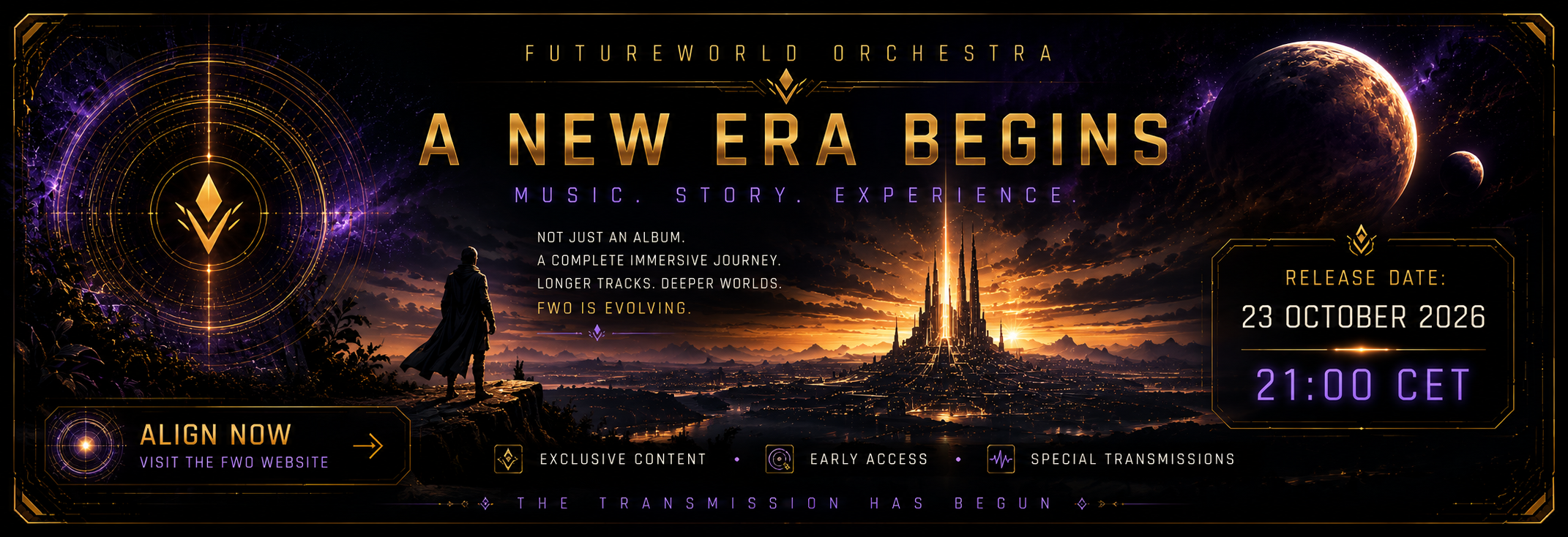
Why Artists Should Not Fear AI — But Understand It
Artificial intelligence is changing the creative world forever. But fear rarely leads to understanding — and understanding is exactly what artists now need most.
Across the creative industries, many artists feel uncertain about the rise of AI.
Musicians wonder whether machines will replace composers. Designers question the future of visual creativity. Writers fear a flood of artificial content overwhelming human expression.
These concerns are understandable.
But history shows that creative revolutions always arrive together with uncertainty.
Technology has always transformed art
Every major technological shift in history disrupted the creative world.
Photography changed painting. Synthesizers changed music. Digital recording changed studios. The internet changed distribution forever.
Yet creativity itself survived every single transformation.
Not because artists ignored technology — but because they adapted their humanity to new tools.
AI is a tool — not a soul
Artificial intelligence can imitate styles, generate images, assist with editing, accelerate workflows and even inspire new directions.
But AI does not possess human consciousness.
It does not carry childhood memories. It does not experience heartbreak. It does not dream. It does not wonder why it exists.
Artists do.
That difference matters more than many people currently realise.
But meaning still comes from human experience.
The danger of misunderstanding AI
Fear often comes from misunderstanding.
Some people imagine AI as an independent creative being replacing humanity entirely. Others blindly worship it as if technology itself automatically creates artistic value.
Both extremes miss the deeper reality.
AI is powerful. Extraordinary, even.
But ultimately it reflects the intentions of the people using it.
In the wrong hands, it can flood the world with empty noise. In the right hands, it can help artists create worlds previously impossible to realise.
Why artists should learn now
The creative landscape is changing rapidly.
Artists who completely ignore AI may eventually struggle to understand the new environment surrounding them.
But understanding AI does not mean surrendering to it.
It means learning where it helps. Where it fails. Where human creativity still matters most.
The future may belong to artists who combine technology with strong identity, emotional depth and authentic vision.
How I approach AI inside Futureworld Orchestra
Within Futureworld Orchestra, I see AI as a creative amplifier.
It allows ideas to evolve faster. It helps visualise cinematic concepts. It expands possibilities for immersive storytelling.
But the emotional source remains human.
The fascination with science fiction. The memories. The atmosphere. The emotions hidden behind the music.
Those things cannot simply be generated mechanically.
They should understand where humanity still becomes irreplaceable.
The human future of creativity
Ironically, the rise of AI may eventually make authentic human creativity even more valuable.
Because in a world overflowing with generated material, people may increasingly search for something real.
Something personal. Something emotionally honest. Something unmistakably human.
Stay connected with Futureworld Orchestra and receive future transmissions, previews and special updates.
Align with FWO